
In a world built on digital connections, understanding data cables and fibre cables can help you make informed decisions about your personal or business network. Both cables transmit data, but are different in terms of technology, speed and application. Whether you are installing a home internet connection or dealing with large enterprise networks, identifying the appropriate cable is essential.
Come, let’s check out the difference between fibre and cable now!
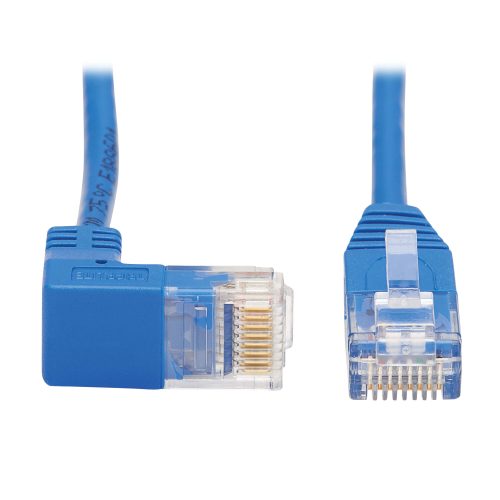
What is a Data Cable?
Data cable is a broad term that encompasses multiple cables that transmit data between devices. A few types of data cables are:
- Ethernet cables (Cat5, Cat6, Cat7): Often used in LAN (Local Area Network) systems
- Coaxial cables: Used in cable television and broadband internet
- Copper cables: Made from twisted-pair copper wire
- Electrical cables: Used in general-purpose data transfers
A data cable generally uses electrical signals to transmit data, and it typically relies on traditional cable technology.
What is a Fibre Cable?
A fibre optic cable, or just fibre cable, sends data as light pulses through glass or plastic fibres and uses fibre-optics technology to carry data at the speed of light. This is a much faster and more reliable way to connect to the Internet than other cable types.
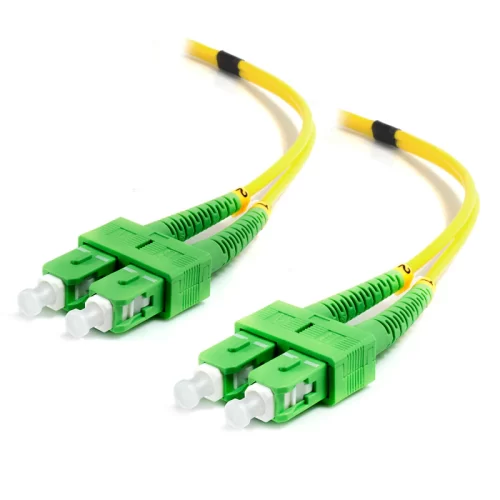
Fibre cable is broken down into two types:
- Single Mode Fibre (SMF)
- Multimode Fibre (MMF)
What Do You Need?
Your selection between standard cables and optical fibre cables comes down to what you need. Look below to understand better:
- Home Use: If your plan is just for general internet browsing, streaming, or gaming, you can use Ethernet cables like Cat6. Cost-effective, and installers can have it done within an afternoon.
- Business/Enterprise: When you are looking for an internet with minimal downtime, great for data transfers, and you require high speeds, then you should consider fibre optic technology.
Distance: If you need a cable that covers long distances without losing signal, optical fibre cables are perfect. If you are covering short distances, copper Ethernet cables should give you no issues.
FAQs
- What is the difference between fibre and data?
Data cables, such as coaxial and Cat6, transmit electrical signals over copper wires, while fibre cables transmit light signals over glass or plastic fibre. Fibre is faster, more reliable, and better for longer distances.
- Which is better, cable internet or fibre internet?
Fibre is a great option because it is faster and more scalable. But cable internet provides good quality service at a lower cost for most activities we do at home.
- What is Cat6 used for?
Cat6 is an Ethernet cable that connects computers, routers, switches, and any other devices. Cat6 supports speeds up to 10 Gbps. Cat6 cables are very good for home & office LAN networks.
Wrapping Up
The choice between data cable or fibre optic cable will come down mainly to speed, distance, budget and how you plan on using your network. Cable technology still provides good connectivity and a reliable internet experience for many applications, but fibre-optic cable technology is becoming the standard for modern high-speed connectivity. We hope fibre is an option in your future.