
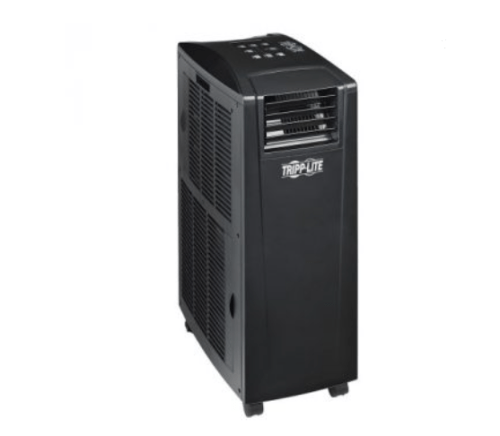
IT cooling is one of the most important processes in data centers, wherein the temperature and humidity levels are optimized as required for the continued and efficient performance of the IT equipment housed in the IT infrastructure. This requires specific IT cooling units, like air coolers or liquid cooling systems, that help dispel the heat produced by one or more IT equipment units to the environment outside the IT infrastructure.
Importance of the IT Cooling Unit
This process is significant because
- Overheating of the equipment can cause damage to the data stored in the equipment.
- Increased temperature impacts the functioning of other systems and equipment.
- Unexpected equipment damage due to increased humidity can result in huge repair or replacement expenses.
- Failure of the equipment affects operations and the business.
- Moreover, this is important to maintain the efficiency of each IT equipment and data center. Plus, when IT cooling systems are perfect in an infrastructure, you can expect an increased shelf life of your IT systems.
IT cooling and its types
The two main types of IT or server room cooling are:
- Active cooling: This type of cooling involves the use of external devices, like fans or systems, to transfer heat from the air surrounding or produced within the equipment.
- Passive cooling: Unlike active cooling, this type involves the natural material properties of the components or parts, like sinks or pipes, to transfer the heat.
Which IT Cooling unit technology to adopt?
Certainly, it depends on the size of your IT infrastructure, the amount of heat produced, and the concern. For example, active cooling is preferred when the infrastructure is equipped with high-end data processing units or systems with a higher chance of heat. On the other hand, passive cooling is preferred wherein the infrastructure equips fewer electronic devices or small battery-operated units with low heat.
In other words, you can choose between the types of IT cooling technologies based on the concern or the room size. If reducing the heat is your concern, choose the active type. If maintaining the equipment efficiency is your concern, choose the passive type. Alternatively, if your server room is larger, you need active cooling, and if the size is small, passive technology suffices. However, both have their advantages and disadvantages.
Shop the latest IT cooling products from the industry’s leading supplier in Australia!
What are the four types of cooling systems?
- Air cooling system:
This system deploys cooler fans or heat sinks with air-to-air cooling technology. Typically, this involves forced transfer of heat from inside air to outside air through attached fins or fans. - Evaporative cooling system:
These are nothing but swamp coolers that involve water evaporating through water pads. This process cools down the temperature of the heated air. - Refrigeration cooling system:
This system involves a refrigerant and includes a condenser, compressor, evaporator, and expansion valve. - Thermoelectric cooling system:
This system relies upon Peltier’s thermoelectric effect, which states that heat is absorbed or released at the junction of two dissimilar conductors or solid states when an electric current is passed through them.
Conclusion
Now that you know “What is IT Cooling?”, “Why is it important?”, “What is needed for IT cooling?”, etc., it is high time that you decide the requirements of your IT infrastructure. First, check the number of pieces of equipment, the heat levels, and the performance of existing cooling systems, if available. Second, calculate the number of cooling systems you require to lower the heat in the room or the infrastructure.